Haven Home Safe’s Tarneit development was completed in March 2023 and has added nine, three-bedroom and eight, two-bedroom units to Victoria’s housing supply. These units are part of a new large-scale greenfield housing development.
The site was acquired from a developer and the development project was completed in two phases. Phase one included units which had already commenced construction and required some amendments to ensure they meet the Liveable Housing Design Guidelines – Silver. These units have a 6-star thermal rating include a private rear yard, single car garage, reverse cycle heating and cooling as well as a heat pump hot water system.
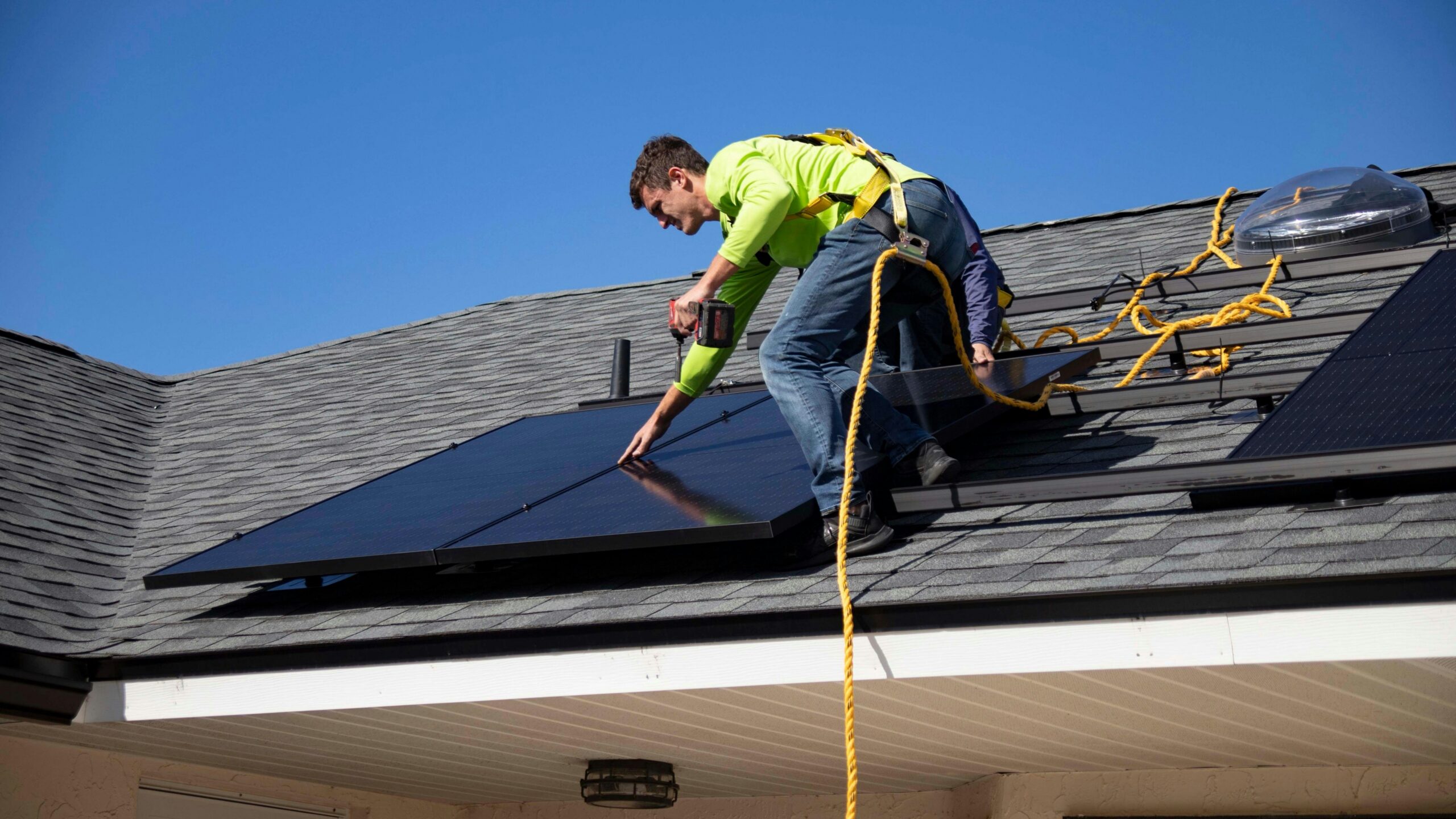
Phase two units hadn’t commenced construction so were able to be built to a 7-star thermal rating and include all the features above plus all electric appliances, solar electricity system and double-glazed windows.
Haven Home Safe partnered with The Victorian State Government (under the Big Housing Build, Rapid Grants Round) and Edgepoint Homes to bring the development project to life.
The properties are conveniently located close to a large park and open space in the housing estate with a BBQ and playground. They are also close to shopping centres, 30 minutes from Melbourne’s CBD and 5 minutes from the Tarneit train station making them perfect for a wide range of renter needs.
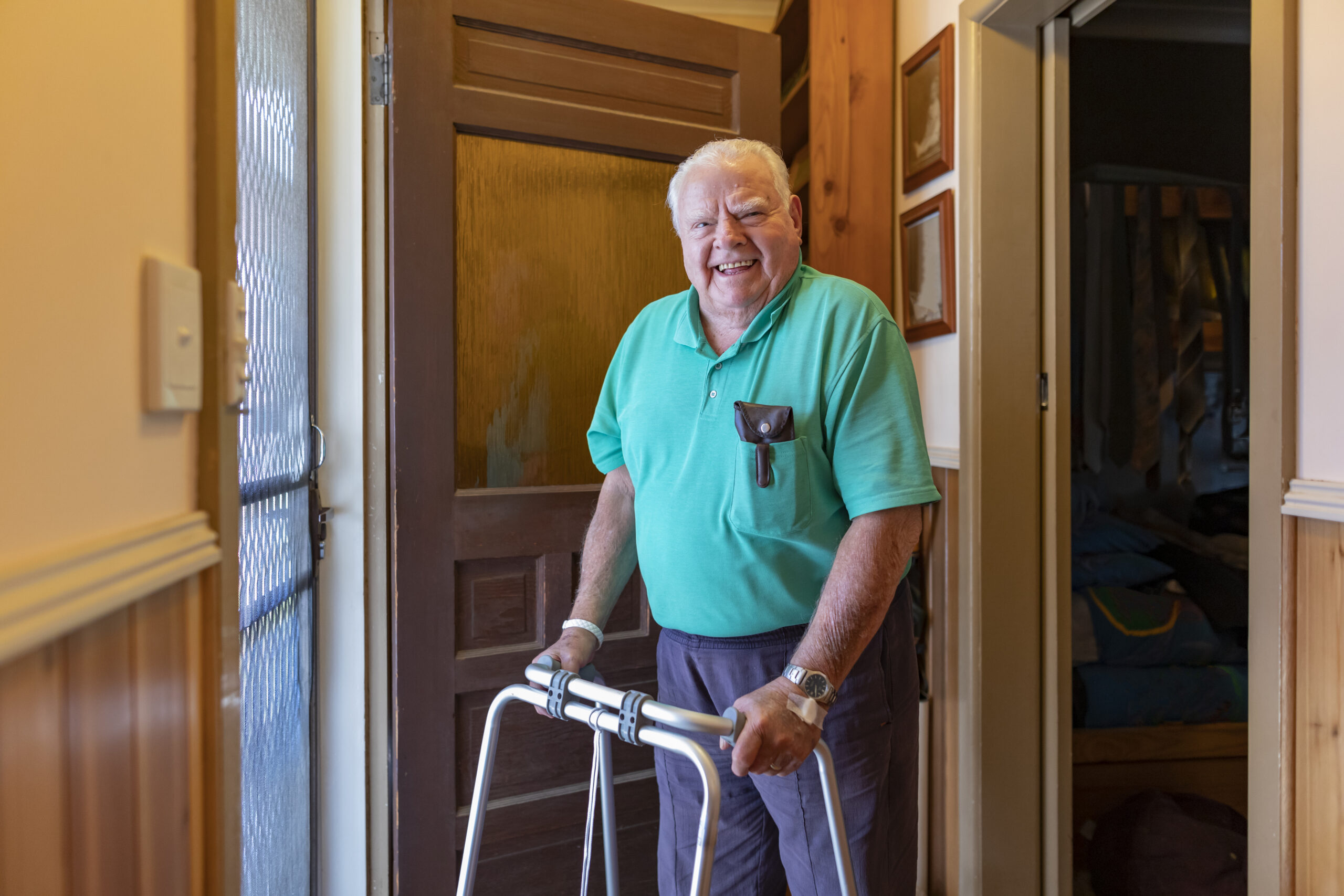
These properties were quickly tenanted and are now home to 17 families/people.